Desa Wisata Sukawati
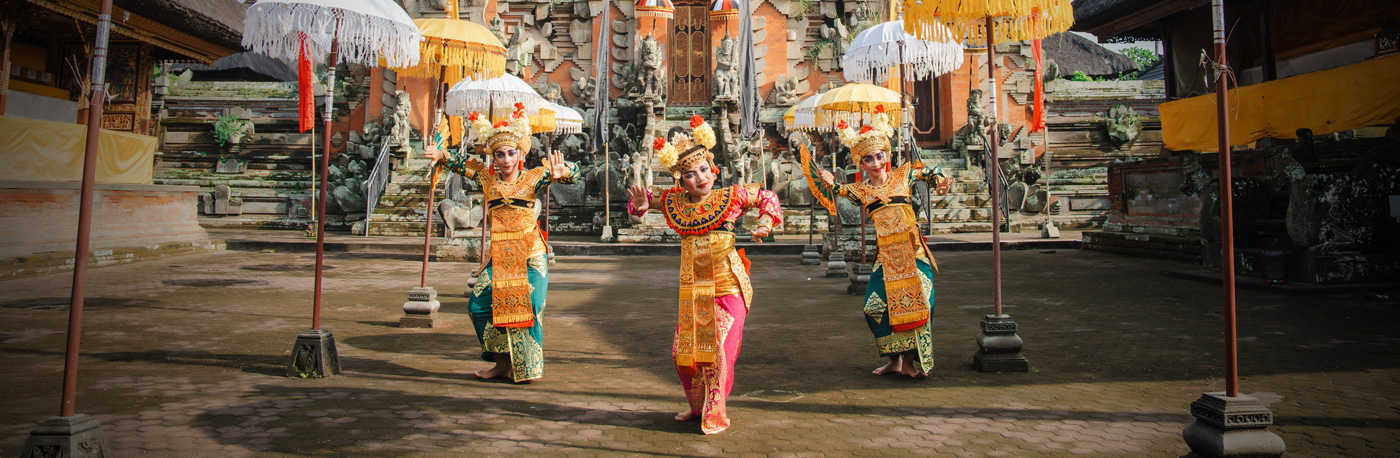
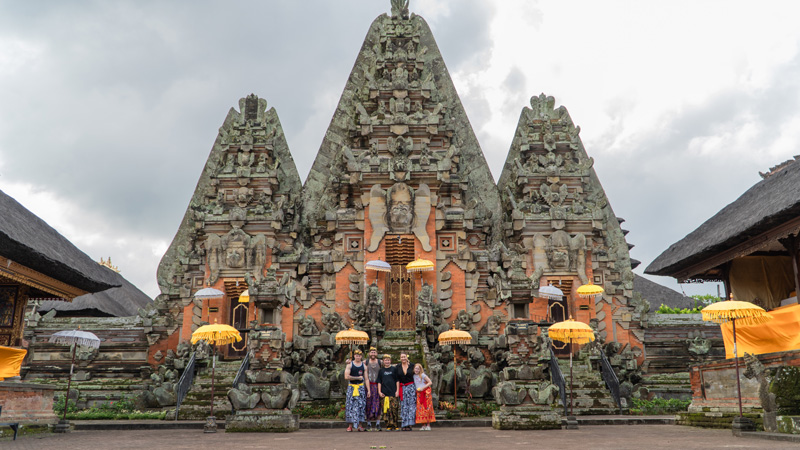
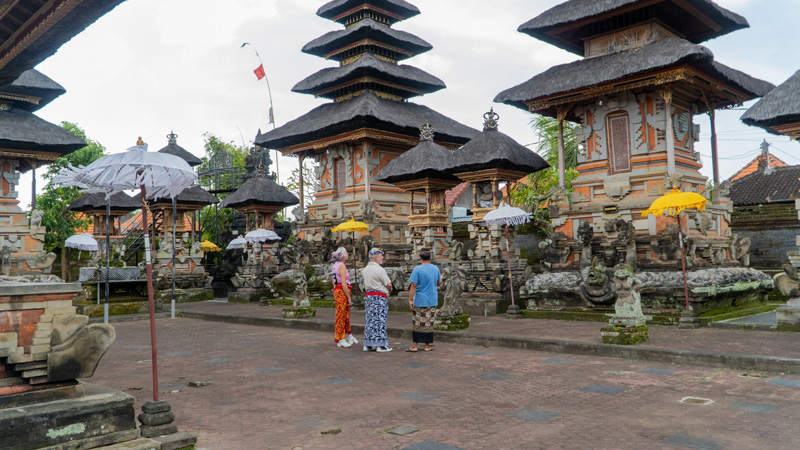
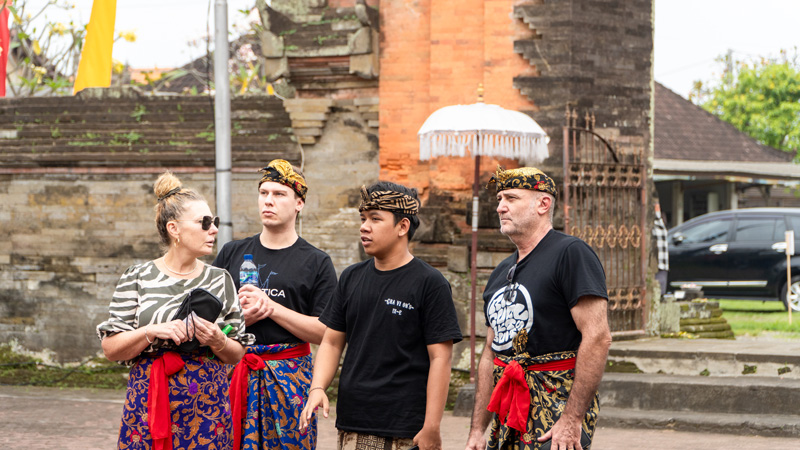
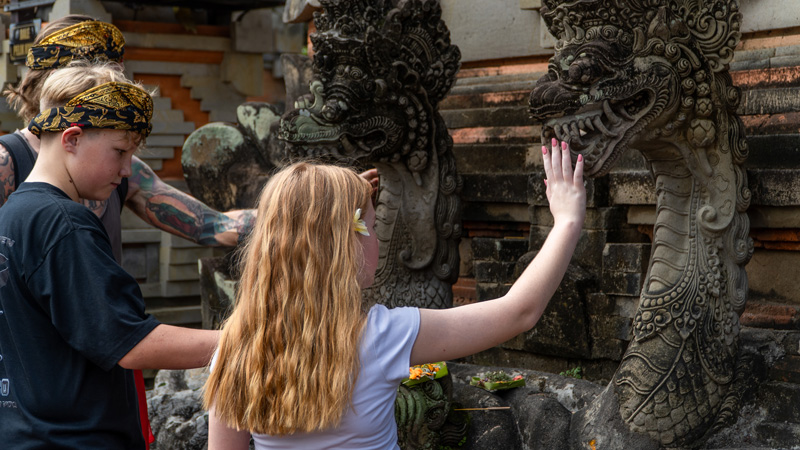
Escape the hustle and bustle of the city and step into the timeless charm of Desa Wisata Sukawati. Discover the serene beauty of the ancient Pura Desa Sukawati, a sacred sanctuary that stands gracefully as a symbol of tradition and devotion. Marvel at the grandeur of its magnificent Candi Bentar, an exquisite split gateway crafted from red brick and solid stone, brought to life by the renowned Sukawati sculptor, Mr. I Wayan Rajeg.
Potential Of Desa
Sukawati Village, located in Gianyar Regency, Bali, is not only known for its vibrant art markets and talented painters, but also for its deeply rooted tradition of iron smithing. This craft, passed down through generations, is a living testament to Bali’s enduring artisanal heritage.
- Stay in Traditional Homestays: With local families, designed in Balinese architecture.
- Agro-Tourism: Involve guests in rice planting/harvesting, coconut oil-making, or herbal walks.
Traditional Techniques:
The iron smithing process in Sukawati is largely manual and steeped in ritual :
1. Material Preparation :
Local blacksmiths, known as pande besi, typically begin with raw iron or recycled metal. The metal is purified and prepared through traditional smelting techniques, often using charcoal as fuel.
2. Heating and Forging :
The smiths use a hand-pumped forge or foot-operated bellows (ububan) to reach the desired temperatures. Once the metal is red-hot, it is hammered and shaped using simple tools such as anvils and hammers, often by several craftsmen working in rhythm.
3. Shaping and Detailing :
Common products include ceremonial kris (daggers), farming tools, kitchen knives, and ritual objects. Each piece is crafted with high attention to balance and symbolic design, sometimes inlaid with silver or engraved with traditional Balinese patterns.
4. Cultural Significance :
The act of forging is considered sacred. Before beginning the work, pande besi often perform small rituals to seek blessings from ancestral spirits and the god of metal, Dewa Brahma. This spiritual element elevates the craft beyond mere labor into a form of devotion.
ACTIVITY
The Craftsmanship in Desa Sukawati
Desa Sukawati has long been a center of traditional arts, and Wayang Kulit carving is often a generational craft passed down within families.
Process of Making Wayang Kulit:
-
1. Preparation of Leather
-
2. Design & Sketching
-
3. Hand Carving (Ukir)
-
4. Painting and Coloring
-
5. Assembly
-
6. Workshops
The skin of a water buffalo or cow is cleaned, soaked, and sun-dried. It is then scraped to reach a fine thickness that is both durable and flexible.
The outline of a character is drawn based on traditional iconography. Each character follows strict symbolic rules (e.g., eye shape, headgear, posture).
Using chisels, needles, and small hammers, artisans pierce and cut the leather to create elaborate patterns of holes and textures that cast beautiful shadows.
This stage requires extreme precision and patience; a single puppet can take days or even weeks to complete.
Once carved, the leather is painted using natural dyes or modern pigments, with rich colors like gold, red, green, and black to indicate character traits and hierarchy.
Articulated limbs are attached using small pins, and a buffalo horn stick is mounted on the back for manipulation by the dalang.
Today, visitors to Sukawati can witness Wayang Kulit carving in local home studios and artisan workshops, especially around the Pasar Seni Sukawati (Sukawati Art Market) area.
Some of the more established studios may also provide demonstrations, storytelling sessions, or allow tourists to try simple carving under guidance.
These visits not only support local livelihoods but also help preserve a fragile cultural tradition threatened by modernization.